
Driving an SUV in Kuwait is not just about comfort or luxury; it is about capability. With vast desert landscapes, extreme summer temperatures, loose الرمال (sand), rocky terrain, and long-distance travel routes, choosing the right Tires for SUVs becomes a critical decision for safety, performance, and long-term cost efficiency. Unlike urban driving, desert conditions place intense stress on tires, making standard road tires insufficient for serious off-road or mixed-use driving.
In this in-depth guide, we explore the best Tires for SUVs in Kuwait’s deserts, explain what features truly matter, and help SUV owners make informed decisions based on real desert driving conditions rather than marketing claims.
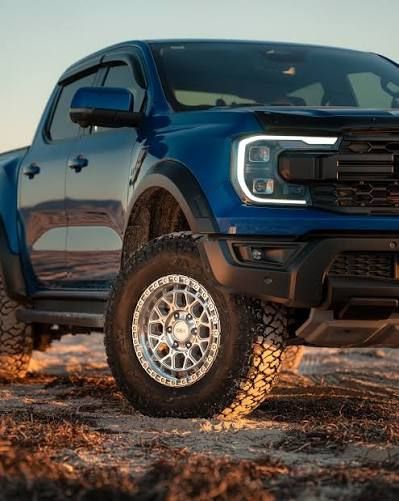
Why Desert Driving in Kuwait Requires Specialized Tires for SUVs
Kuwait’s deserts are unforgiving. High ambient temperatures often exceed 50°C, which dramatically increases tire pressure and accelerates rubber degradation. Sand dunes require maximum traction, while rocky desert areas can easily puncture weak sidewalls. This environment demands Tires for SUVs that are engineered specifically for heat resistance, load capacity, and off-road grip.
Standard highway tires may look suitable, but they lack:
- Reinforced sidewalls
- Heat-resistant rubber compounds
- Optimized tread patterns for sand traction
As a result, using improper tires increases the risk of blowouts, loss of control, and premature tire failure—especially during long desert trips.
Key Features to Look for in Tires for SUVs Used in Deserts
1. Heat-Resistant Rubber Compounds
One of the most important features of Tires for SUVs in Kuwait is their ability to withstand extreme heat. Desert-grade tires use advanced rubber compounds that:
- Maintain flexibility under high temperatures
- Reduce cracking and hardening
- Prevent rapid tread wear
Without heat resistance, tires lose grip and structural integrity much faster.
2. Reinforced Sidewalls for Desert Terrain
Sidewall damage is extremely common during desert driving. Sharp rocks, hard-packed sand, and sudden drops can easily tear weak tires. High-quality Tires for SUVs designed for desert use feature:
- Thicker sidewalls
- Multi-layer reinforcement
- Increased resistance to cuts and punctures
This is especially important for heavy SUVs like the Land Cruiser, Patrol, Tahoe, and Wrangler.
3. Tread Design Optimized for Sand and Mixed Terrain
Desert driving is not only about sand dunes. Many routes include gravel, rocky paths, and compacted sand. The best Tires for SUVs are:
- Wide tread blocks to “float” over sand
- Self-cleaning grooves to prevent sand buildup
- Balanced patterns that work both off-road and on highways
This ensures stability without sacrificing road comfort.
Before you hit the dunes, ensure your SUV is equipped with heat-resistant tires that can handle Kuwait’s extreme climate. Browse our top tire recommendations at FormulaWheel to find the perfect match for your vehicle.
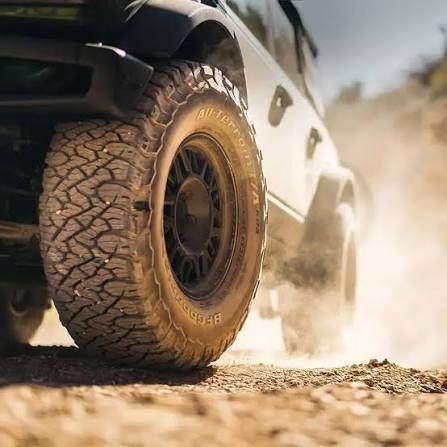
Types of Tires for SUVs Suitable for Kuwait’s Deserts
All-Terrain (A/T) Tires
All-terrain tires are the most popular Tires for SUVs in Kuwait because they offer a balance between daily driving and desert capability. They perform well on:
- Sand
- Gravel
- Asphalt highways
For SUV owners who frequently switch between city roads and desert trips, A/T tires are a practical and cost-effective choice.
Mud-Terrain (M/T) Tires
Mud-terrain tires provide aggressive grip and maximum off-road performance. In soft sand and extreme desert conditions, these Tires for SUVs excel due to:
- Deep tread depth
- Strong sidewall construction
- Exceptional traction
However, they are louder on highways and may wear faster during daily city driving.
Desert-Specific Performance Tires
Some premium manufacturers offer desert-optimized Tires for SUVs designed specifically for Middle Eastern climates. These tires focus on:
- High heat tolerance
- Reduced rolling resistance
- Stability at high speeds
They are ideal for long-distance desert travel and highway use combined.
The Importance of Tire Pressure in Desert Driving
Proper tire pressure plays a major role in the performance of Tires for SUVs in Kuwait’s deserts. Lowering pressure slightly:
- Increases surface contact with sand
- Improves traction
- Reduces the chance of getting stuck
However, incorrect pressure can cause overheating and sidewall damage. SUV drivers must adjust pressure carefully depending on terrain and temperature.
Load Capacity and SUV Weight Considerations
SUVs are heavier than sedans, and desert trips often include extra cargo, passengers, and equipment. Choosing Tires for SUVs with sufficient load ratings ensures:
- Structural stability
- Even wear
- Reduced risk of blowouts
Under-rated tires may fail catastrophically in desert heat.
Choosing between All-Terrain and Mud-Terrain tires can be confusing. Visit FormulaWheel for expert advice on which tire type suits your driving style, whether it’s daily commuting or weekend dune bashing. Get expert guidance here.
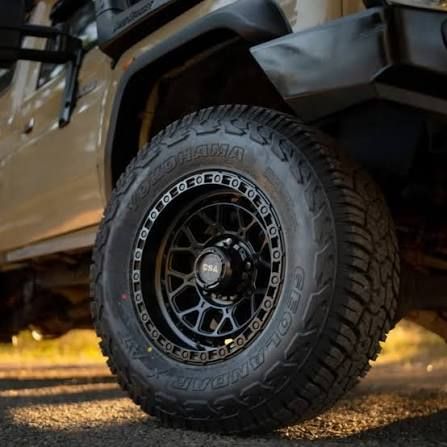
How Desert Driving Affects Tire Lifespan
Even the best Tires for SUVs experience faster wear in desert conditions due to:
- Constant heat exposure
- Abrasive sand particles
- High torque during dune climbing
Regular inspection, rotation, and correct pressure management are essential to maximize tire lifespan.
Fuel Efficiency vs. Off-Road Performance
Aggressive off-road Tires for SUVs usually increase rolling resistance, which can reduce fuel efficiency. Drivers must decide whether they prioritize:
- Maximum desert capability
- Balanced daily driving performance
- Long-distance highway comfort
All-terrain tires often provide the best compromise.
Safety Risks of Using the Wrong Tires in Kuwait’s Deserts
Using unsuitable tires in desert environments can lead to:
- Sudden tire failure
- Loss of traction on dunes
- Overheating at highway speeds
- Increased stopping distances
Choosing the right Tires for SUVs is not just about performance—it is about safety.
Seasonal Considerations for Desert Tires
While Kuwait does not experience winter snow, seasonal temperature changes still affect tire performance. Summer heat intensifies stress on tires, making heat-resistant Tires for SUVs essential year-round.
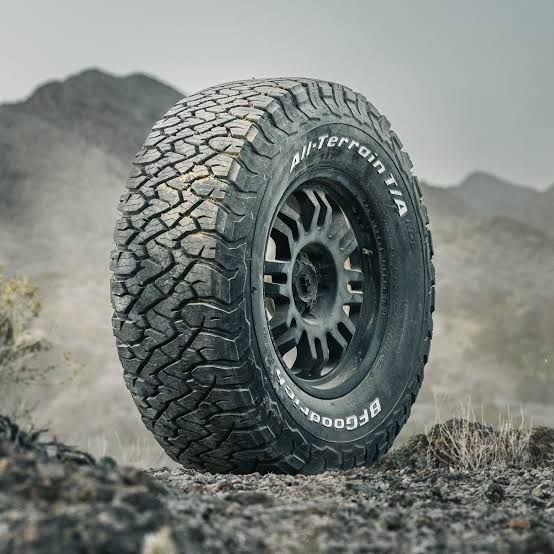
Cost vs. Quality: Are Premium Tires Worth It?
Premium Tires for SUVs often cost more upfront but offer:
- Longer lifespan
- Better heat resistance
- Improved safety margins
In the long run, investing in quality tires often reduces replacement frequency and repair costs.
Why Black Bear Tires Are a Smart Choice for SUVs in Kuwait
When selecting SUV tires in Kuwait, drivers often prioritize durability, heat resistance, and long-term performance under extreme climate conditions. One brand that has been gaining attention in this segment is Black Bear Tires, especially for SUV owners looking for reliability without premium-brand pricing.
Black Bear SUV tires are engineered to handle Kuwait’s harsh summer temperatures, abrasive road surfaces, and occasional off-road driving. Their reinforced sidewalls and heat-resistant rubber compounds make them particularly suitable for heavy vehicles such as the Toyota Land Cruiser, Nissan Patrol, Ford Explorer, and other popular SUVs across Kuwait.
Another key advantage of Black Bear tires is their balanced tread design. Whether you drive primarily in Kuwait City or frequently travel to desert areas, the tread patterns provide stable grip, reduced road noise, and improved braking response. This makes them a practical option for both urban commuting and weekend off-road adventures.
For drivers seeking a cost-effective yet dependable SUV tire solution in Kuwait, Black Bear offers a strong value proposition. Available in multiple SUV sizes, they are becoming an increasingly preferred choice for customers who want performance, safety, and affordability in one package.
Formula Wheel takes pride in offering a curated selection of Black Bear SUV tires—each model specifically chosen to excel in Kuwait’s unique driving environment.
Final Thoughts: Choosing the Best Tires for SUVs in Kuwait’s Deserts
Choosing the perfect tires for SUVs is a top priority for Kuwaiti drivers. Desert conditions demand more than standard tires; they require durability, heat resistance, reinforced construction, and reliable traction.
Whether you are a weekend desert explorer or a frequent off-road enthusiast, choosing tires designed for Kuwait’s unique environment ensures:
- Safer desert adventures
- Better vehicle control
- Lower long-term costs
- Greater peace of mind
In a country where the desert is part of everyday life, the right tires transform your SUV from a simple vehicle into a truly capable machine.
Conquer Kuwait’s dunes safely – equip your SUV with top desert tires today.
Extreme heat, shifting sand, and rocky terrain demand unbeatable traction and durability.
Avoid blowouts and get stuck less – enjoy every trip with confidence.
Your SUV deserves the best protection against Kuwait’s unforgiving deserts. From tire selection to professional fitting, Formula Wheel offers everything you need for a safer, smoother ride. Visit us in Shuwaikh or contact our team now.
FAQ: Best Tires for SUVs in Kuwait’s Deserts – Quick Answers
- Why are special tires needed for Kuwait desert driving?
Extreme heat (50°C+), loose sand, rocks, and dust cause blowouts and fast wear on regular tires. Desert-ready tires have reinforced sidewalls, heat-resistant compounds, and sand-optimized tread.
- A/T or M/T tires – which is better for Kuwait?
All-Terrain (A/T) tires are best for most drivers – great sand grip + quiet highway use. Mud-Terrain (M/T) tires excel in very soft dunes but are noisier and wear faster on roads.
- How should I adjust tire pressure for sand dunes?
Lower to 15–20 PSI for better flotation and traction on soft sand. Reinflate for highways to prevent heat damage. Always check before and after.
- What tire features matter most in Kuwait’s heat & sand?
Heat-resistant rubber, thick reinforced sidewalls, wide tread blocks for flotation, self-cleaning grooves, and high load ratings for heavy SUVs.
Still have questions about choosing the right tires for your SUV? The team at FormulaWheel is ready to help. Get personalized recommendations based on your vehicle and driving habits. Contact us today.