
In recent years, Large Rims have become extremely popular among drivers in Kuwait. From luxury sedans and sports cars to SUVs and pickup trucks, oversized rims are often chosen to enhance visual appeal, road presence, and perceived performance. While there is no doubt that large rims can dramatically improve a vehicle’s aesthetics, many drivers overlook one critical factor: fuel consumption.
In a country like Kuwait, where high temperatures, long highway distances, heavy vehicles, and high-speed driving are common, the relationship between Large Rims and fuel consumption deserves serious attention. This article explores how large rims affect fuel efficiency, why the impact is more noticeable in Kuwait, and how drivers can balance style with practicality.
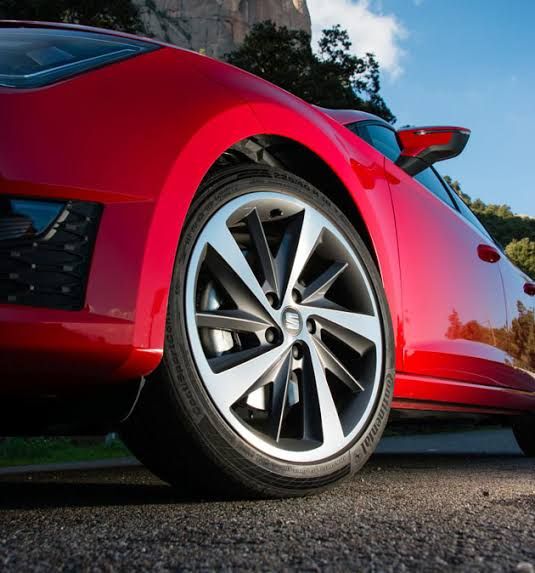
Why Large Rims Are So Popular in Kuwait
Kuwaiti car culture places strong emphasis on appearance, customization, and road presence. Large Rims are often associated with:
- Luxury and premium styling
- Sporty and aggressive vehicle profiles
- Improved visual balance for large SUVs
- Higher resale appeal in the local market
Wide roads, modern highways, and a strong tuning culture have made large-diameter rims a common upgrade. However, popularity does not always mean practicality—especially when fuel efficiency is concerned.
How Large Rims Affect Fuel Consumption
Increased Wheel Weight
One of the most direct effects of Large Rims is increased weight. Larger rims usually weigh more than smaller ones, especially when combined with wider tires. This added weight increases rotational mass, meaning the engine has to work harder to move the wheels.
In Kuwait’s stop-and-go city traffic and long highway accelerations, heavier wheels result in:
- Higher fuel consumption during acceleration
- Reduced overall efficiency
- Increased engine load in hot conditions
Higher Rolling Resistance
When upgrading to Large Rims, drivers typically switch to lower-profile, wider tires. These tires create more contact with the road, increasing rolling resistance. While this can improve grip, it also means the vehicle needs more energy to maintain speed.
On Kuwait’s highways, where long-distance driving is common, this additional resistance gradually increases fuel usage, especially at higher speeds.
Impact on Gear Ratios and Engine Efficiency
Larger rims can alter the effective rolling diameter of the wheel and tire combination. Even small changes can affect:
- Gear ratios
- Engine RPM at cruising speed
- Transmission behavior
In many cases, Large Rims cause the engine to operate outside its most efficient range, particularly in vehicles not designed for oversized wheels. This inefficiency becomes more pronounced in extreme heat, where engines already work harder.
Why the Impact Is Greater in Kuwait’s Climate
Extreme Heat and Engine Load
Kuwait’s summer temperatures frequently exceed 45–50°C. High heat already increases fuel consumption due to:
- Air conditioning usage
- Reduced engine cooling efficiency
- Higher tire pressure and friction
When Large Rims are added, the combined stress on the engine amplifies fuel usage even further. What might be a minor efficiency loss in cooler climates becomes a noticeable increase in fuel costs in Kuwait.
Long High-Speed Driving
Kuwait’s road network encourages high-speed cruising. At sustained speeds, heavier wheels and increased rolling resistance from Large Rims lead to continuous extra fuel burn. Over time, this significantly impacts monthly fuel expenses.
Large Rims vs. Stock Rims: Real-World Fuel Consumption Differences
In real driving conditions, vehicles fitted with Large Rims often experience:
- 3% to 10% increase in fuel consumption
- Reduced range per full tank
- More frequent refueling
The exact impact depends on:
- Rim size increase (e.g., 18” to 22”)
- Rim material (cast vs. forged)
- Tire width and compound
- Vehicle type and engine size
For heavy SUVs and V8-powered vehicles, the fuel penalty can be even higher.
Material Matters: Lightweight vs. Heavy Large Rims
Not all Large Rims affect fuel consumption equally. Rim construction plays a major role.
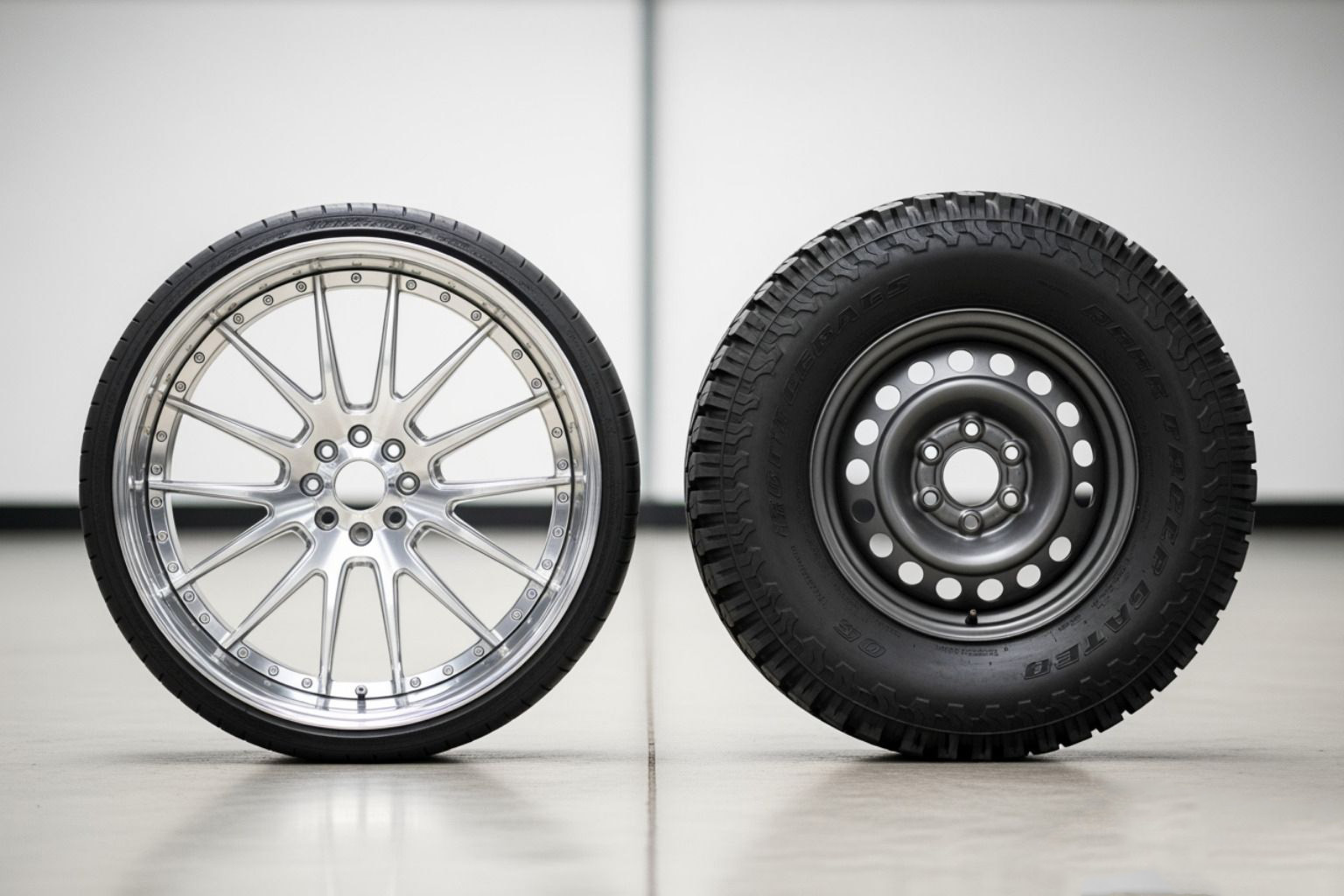
Cast Large Rims
- Heavier
- More affordable
- Higher impact on fuel efficiency
Forged Large Rims
- Significantly lighter
- Stronger structure
- Less negative effect on fuel consumption
In Kuwait, choosing lightweight forged Large Rims can reduce the fuel penalty while still achieving the desired visual upgrade.
Impact on Hybrid and Fuel-Efficient Vehicles
Vehicles designed for fuel efficiency, such as hybrids or smaller engines, are particularly sensitive to wheel weight. Installing Large Rims on these cars often:
- Cancels out fuel-saving benefits
- Reduces electric-only driving range
- Increases operating costs
For such vehicles, rim size should be chosen very carefully.
Suspension and Alignment Effects
Larger rims can also influence suspension geometry and alignment. Improper setup after installing Large Rims leads to:
- Increased tire drag
- Uneven tire wear
- Additional rolling resistance
All of these factors indirectly increase fuel consumption, especially in daily driving.
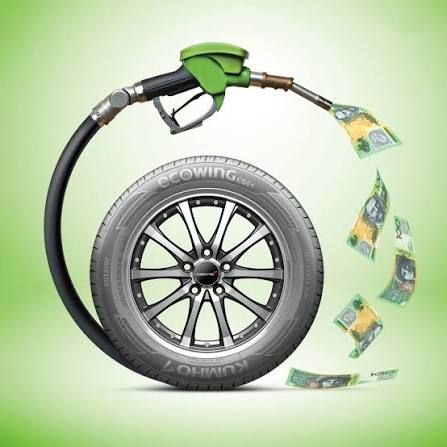
Do Large Rims Offer Any Efficiency Advantages?
In rare cases, high-quality Large Rims paired with performance tires can improve stability and reduce wheel flex at high speeds. However, these benefits rarely offset the fuel consumption increase in normal driving conditions, particularly in urban and mixed-use scenarios.
Balancing Style and Fuel Efficiency in Kuwait
For drivers who want the look of Large Rims without excessive fuel penalties, the following strategies help:
- Avoid extreme size jumps
- Choose lightweight forged rims
- Maintain correct tire pressure
- Use proper tire widths
- Perform alignment after installation
Smart selection makes a noticeable difference in real-world efficiency.
Long-Term Fuel Costs vs. Visual Appeal
Fuel may be relatively affordable in Kuwait, but over time, increased consumption adds up—especially for daily drivers. When choosing Large Rims, drivers should consider:
- Annual fuel cost increase
- Tire replacement frequency
- Suspension wear
A visually appealing setup that significantly raises operating costs may not be ideal for long-term ownership.
Final Thoughts: Are Large Rims Worth It in Kuwait?
There is no denying the visual impact of Large Rims. They enhance vehicle presence, style, and perceived value—qualities highly appreciated in Kuwait’s automotive culture. However, this upgrade comes with trade-offs, particularly in terms of fuel consumption.
In Kuwait’s extreme climate and driving conditions, Large Rims can noticeably increase fuel usage due to added weight, rolling resistance, and engine strain. Drivers who prioritize style should do so intelligently—by selecting lightweight materials, reasonable sizes, and proper tire combinations.
Ultimately, the best choice is one that balances aesthetics, performance, and fuel efficiency, ensuring that your vehicle not only looks impressive on Kuwait’s roads but also remains practical and economical to drive.
Love the look of large rims but hate extra fuel costs? Balance style & savings in Kuwait!
Large rims boost aesthetics and presence on Kuwait’s roads, but they can raise fuel use 3–10% from weight and resistance, especially in our heat and highways.
Go smart: Choose lightweight forged rims for minimal MPG impact while keeping that premium look. Formula Wheel has top forged alloys, perfect sizes, and pro installation to optimize efficiency without sacrificing style.
Visit formulawheel for FREE quotes, rim recommendations, and fitting today.
FAQ: The Impact of Large Rims on Fuel Consumption in Kuwait
- Do large rims increase fuel consumption in Kuwait?
Yes, typically 3–10% higher due to added wheel weight, increased rolling resistance from wider/low-profile tires, and extra engine strain in heat/high-speed driving.
- Why is the fuel impact worse in Kuwait?
Extreme heat (45–50°C+), heavy A/C use, long highway cruising, and stop-go traffic amplify the effects of heavier rims and higher rolling resistance, raising fuel use more than in cooler climates.
- How much extra fuel do large rims (e.g., 20–22″) use?
Expect a 3–10% reduction in efficiency, with the exact amount shaped by size jump, rim weight, tire width, and the kind of vehicle. Heavy SUVs/V8s see bigger penalties; real-world range per tank decreases noticeably.
- Do lightweight forged rims help with fuel efficiency?
Yes, forged rims are significantly lighter than cast ones, reducing rotational mass and engine load for better MPG. They minimize the fuel penalty while keeping the stylish large size.
- What causes large rims to hurt fuel economy?
Main factors: heavier wheels (more acceleration energy needed), wider tires (higher rolling resistance), altered gear ratios/RPM, and combined stress from Kuwait’s heat and highways.
- Can I have large rims without big fuel losses?
Yes – choose lightweight forged rims, avoid extreme size increases (e.g., stick to 20″ max), maintain proper tire pressure, use narrower tires, and get alignment after install.
- Are large rims bad for hybrids or fuel-efficient cars in Kuwait?
Very, they cancel out efficiency gains, reduce electric range, and increase costs. Stick to stock or smaller sizes for best results.
8. Where can you find fuel-efficient, oversized rims in Kuwait?
Formula Wheel offers lightweight forged options, expert fitting, and advice to balance style with efficiency for your car.