
Kuwait’s harsh desert climate creates some of the most challenging conditions for drivers in the Middle East. Among the biggest environmental factors that affect vehicles, dust plays an especially significant role. From annual dust storms (عواصف ترابية) to daily fine sand settling on the asphalt, the continuous exposure to particles affects braking, tire grip, heat resistance, and long-term durability. Understanding the Impact of Kuwait’s Dust on Tire Quality is essential for every driver, whether you commute in Kuwait City, travel across Jahra’s desert roads, or drive along the coastal highways of Salmiya and Fahaheel.
In this comprehensive guide, we’ll explore how dust affects tire performance, why it accelerates wear, and what preventive measures you can take to protect your tires, maintain safety, and reduce long-term costs. The keyword “Dust on Tire Quality” is especially important for vehicle owners who want to understand how Kuwait’s environmental conditions impact reliability and safety.
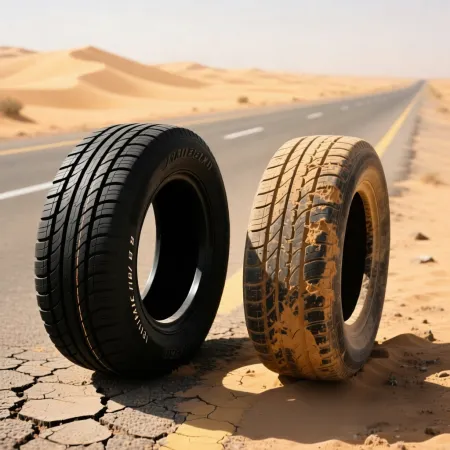
Understanding Kuwait’s Dust: What Makes It Harmful?
The dust in Kuwait is not ordinary dirt. It consists of:
- Sharp micro-particles of desert sand
- Silica-based grains that act like sandpaper
- Salt and mineral deposits carried by the coastal winds
- Fine particles that settle deeply into rubber grooves
These elements contribute directly to the deterioration of rubber compounds and tread design. This is why the Impact of Kuwait’s Dust on Tire Quality is much more severe compared to other regions with more moderate climates.
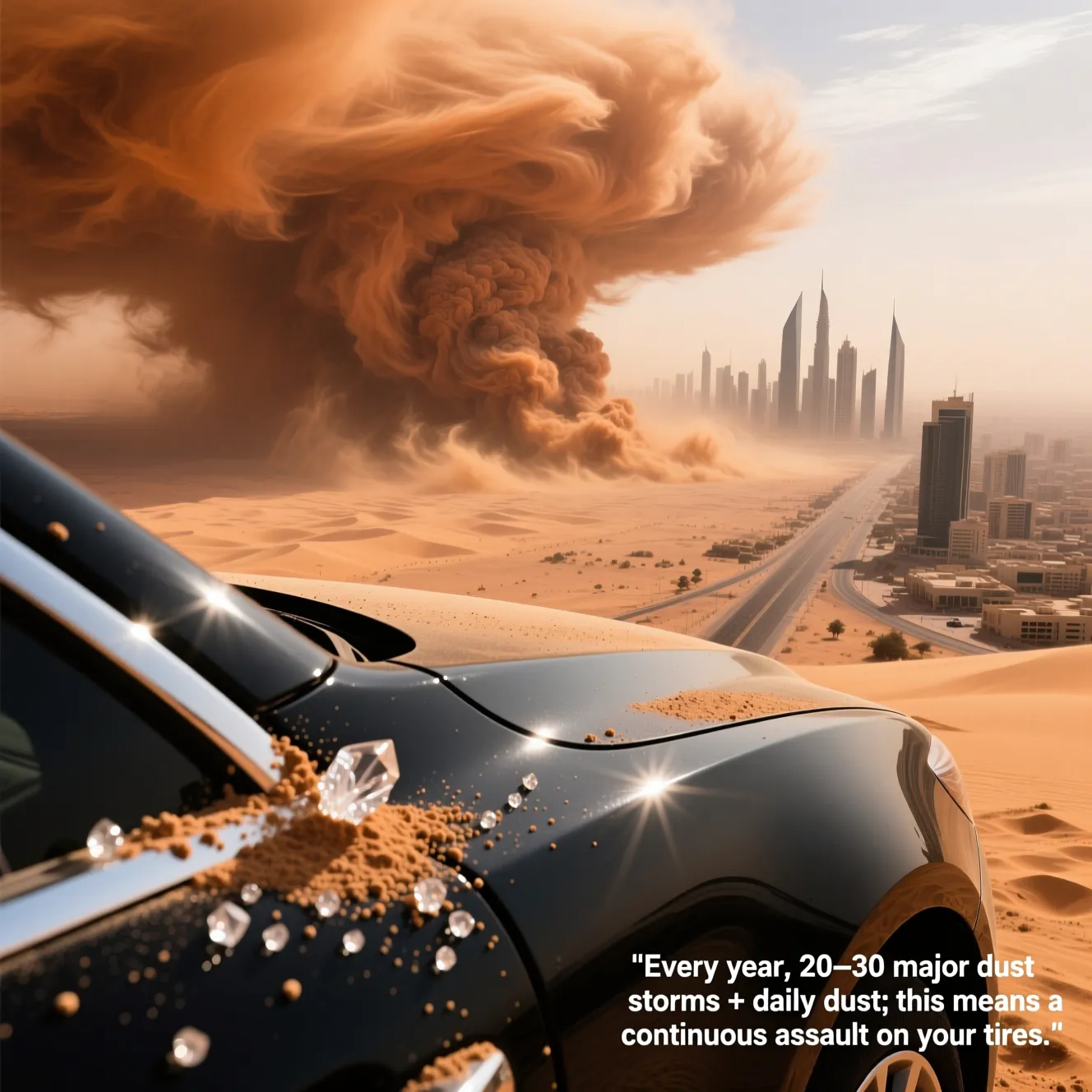
Kuwait experiences around 20–30 major dust events per year, and lighter dust is present almost daily. This constant exposure accelerates both mechanical and chemical wear on tires.
How Dust Directly Affects Tire Performance
Reduced Traction and Grip
Dust forms a thin, slippery layer between the tire and the road surface. This layer reduces traction, especially during:
- Sudden braking
- Fast acceleration
- Sharp cornering
- Driving on desert-access roads
The accumulated dust on tread blocks makes the tires lose some of their friction, increasing braking distance. This is one of the most noticeable signs of the Impact of Kuwait’s Dust on Tire Quality.
Faster Tread Wear
Dust particles act like abrasive sandpaper against the tire surface. With every rotation:
- Sharp dust grains grind the rubber
- Tread blocks become smoother
- Tires lose depth more quickly
Drivers who frequently pass through dusty areas like Abdali, Kabd, Salmi, Wafra, or desert camps experience tread wear almost 30% faster than city-only drivers.
Clogging of Tread Channels (Grooves)
The grooves on a tire are designed to channel away water and improve traction. Dust fills these channels over time, causing:
- Reduced water evacuation
- Lower stability on wet roads
- Higher chance of hydroplaning during rain
This makes driving riskier, especially in Kuwait’s sudden winter rain showers.
Increased Tire Temperature
Dust creates extra friction and blocks air circulation around the tire. Combined with Kuwait’s extreme heat, tire temperature rises quickly.
This contributes to:
- Sidewall swelling
- Rubber hardening
- Higher blowout risk
The Impact of Kuwait’s Dust on Tire Quality becomes even more severe during the summer months when temperatures exceed 50°C.
Damage to Valve Stems and Bead Area
Fine dust particles also penetrate:
- Valve stems (causing slow leaks)
- The bead area where tires seal against the rim
This leads to pressure imbalance — a major cause of uneven wear and reduced stability.
How Dust Affects Different Types of Tires
All-Season Tires
These tires offer balanced performance, but in Kuwait’s dusty environment:
- Grooves fill quickly
- Rubber softens in extreme heat
- Dust reduces their ability to maintain grip
Summer Tires
Summer tires tend to handle high heat better, but:
- Dust reduces their braking efficiency
- Soft rubber can wear faster under abrasive particles
Off-Road Tires
Off-road tires perform better in dust because:
- They have deeper grooves
- Stronger sidewalls
- More rigid rubber compounds
However, even off-road tires suffer from:
- Embedded sand
- Faster tread degradation
- Heat buildup during highway driving
Long-Term Impact of Dust on Tire Quality
Continuous dust exposure causes:
- Micro-cracking in rubber
- Premature aging of sidewalls
- Tread deformation
- Reduced structural integrity
Rubber oxidation accelerates because dusty surfaces trap heat and sunlight. This leads to a shorter tire lifespan and increases the risk of failures, especially during long drives to areas like Subiya, Mutlaa, Al-Kabir, and the Saudi border.
How to Protect Tires from Dust Damage in Kuwait
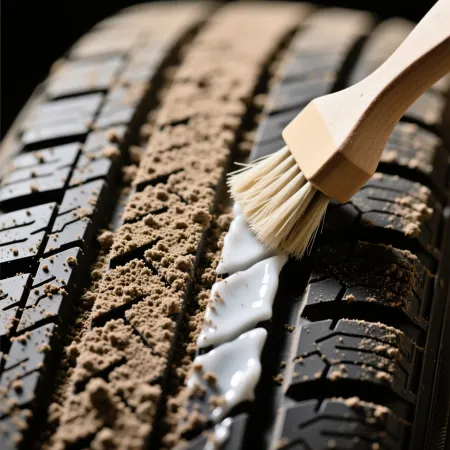
Regular Tire Cleaning
A simple water wash removes dust from:
- Grooves
- Sidewalls
- Valve areas
This reduces abrasive wear dramatically.
Maintain Proper Tire Pressure
Dust affects airflow and increases heat. Low pressure increases stress on the rubber, while overinflation reduces traction.
Check tire pressure weekly.
Rotate Tires Every 8,000–10,000 km
Dust causes uneven wear. Rotation helps extend tire life and maintain grip.
Choose Tires with Strong Heat & Dust Resistance
Look for:
- Harder compounds
- Reinforced sidewalls
- Deep tread patterns
Brands known for strong dust resistance include:
- Michelin
- Continental
- Bridgestone
- Goodyear
- Yokohama
Use Dust-Resistant Tire Dressings
Some silicone-based products help reduce:
- Dust adhesion
- Rubber cracking
- Surface oxidation
Avoid Driving Fast in Dust Storms
Dust storms reduce visibility and traction. Tires lose grip on dust-covered asphalt, increasing the risk of accidents.
Signs Your Tires Are Damaged by Dust
Watch for:
- Uneven wear
- Reduced braking performance
- Loss of traction
- Small cracks on the sidewalls
- Hardened rubber
- Strange vibrations
- Frequent pressure loss
These are all indicators of the Impact of Kuwait’s Dust on Tire Quality.
When Should You Replace Dust-Damaged Tires?
Replace your tires if:
- Tread depth is below 3 mm
- You see micro-cracks
- Grip feels noticeably weaker
- Tires frequently lose pressure
- They vibrate at highway speeds
Because dust accelerates aging, many Kuwait drivers replace tires every 18–24 months, even with moderate usage.
Conclusion
The Impact of Kuwait’s Dust on Tire Quality is undeniable. From faster tread wear to reduced traction and higher temperatures, dust affects every aspect of tire performance. With the right precautions — regular cleaning, pressure checks, tire rotation, and choosing heat-resistant brands — you can significantly extend your tire lifespan and maintain safe driving conditions.
Kuwait’s driving environment is harsh, but with the right knowledge and care, your tires can remain reliable and durable even under the most challenging dusty conditions.
If you want tires that can actually survive Kuwait’s harsh environment, explore premium, dust-resistant options at:
FormulaWheel High Quality Tires & Rims for All Conditions
Whether you drive a sedan, SUV, off-roader, or luxury car, FormulaWheel offers tires designed for durability, heat resistance, and exceptional performance against dust and sand.
FAQ – The Impact of Kuwait’s Dust on Tire Quality
- How often should I clean my tires in Kuwait?
At least once per week, and after every dust storm. This prevents abrasive particles from damaging the rubber.
- Does dust increase fuel consumption?
Yes. Dust reduces traction and increases rolling resistance, which forces the engine to work harder.
- Can dust cause tire blowouts?
Indirectly, yes. Dust increases tire temperature and may lead to cracks or pressure issues that result in blowouts.
- What is the best type of tire for dusty climates?
Tires with:
- Deep tread grooves
- Reinforced sidewalls
- Heat-resistant rubber compounds
- Why do tires crack faster in Kuwait?
Dust + heat accelerate rubber aging, causing micro-cracks to appear sooner.
- Is tire rotation necessary in dusty conditions?
Absolutely. Dust creates uneven wear, so rotation every 8,000–10,000 km is essential.
- Can washing tires too often damage them?
No. Washing removes harmful dust. Just avoid harsh chemicals.