What Are 6×139.7 Wheels?
If you are shopping for aftermarket wheels for a 4×4 truck or SUV, 6×139.7 wheels are one fitment specification worth understanding.
The term describes a six-lug bolt pattern with six mounting holes arranged around a 139.7 mm diameter circle. This pattern is also commonly known as 6×5.5 inches because 139.7 mm equals 5.5 inches.
You will find this bolt pattern on many popular trucks and SUVs, making it a common choice in the aftermarket off-road wheel market.
However, matching the bolt pattern is only the first step. The correct wheel must also have suitable dimensions, load capacity, and clearance for your specific vehicle.
Which Vehicles Use 6×139.7 Wheels?
The 6×139.7 bolt pattern is used across several popular 4×4 and pickup platforms.
Examples include:
- Toyota Land Cruiser and selected Prado generations
- Toyota Hilux and selected Tundra generations
- Nissan Patrol and selected pickup models
- Chevrolet Silverado and GMC Sierra 1500 models
- Ford F-150 and Bronco models with compatible six-lug configurations
- Jeep and other off-road platforms with matching specifications
Important: Not every year, trim, or generation of these vehicles uses the same wheel specifications. Always confirm the original bolt pattern and full fitment requirements before purchasing.
Best 6×139.7 Wheel Sizes for 4×4 Vehicles
Once you confirm the bolt pattern, the next decision is wheel diameter and width.
Here are common aftermarket sizes to consider:
| Wheel Size | Typical Application |
|---|---|
| 17×8 | Practical off-road and everyday setups |
| 17×8.5 | Versatile 4×4 and all-terrain builds |
| 17×9 | Wider aftermarket setups |
| 18×9 | Mixed street and off-road use |
| 20×9 | Street-focused SUV and truck builds |
These are examples of available wheel dimensions, not universal fitment recommendations. The correct option depends on your vehicle, tire size, suspension setup, brake package, and intended use.
17-Inch Wheels: A Popular Off-Road Choice
For many 4×4 owners, 17-inch wheels offer a useful balance between wheel size and tire sidewall height.
A compatible 17-inch setup can provide more sidewall flexibility for certain off-road tire configurations. This can be useful when driving on sand, gravel, or uneven desert terrain.
However, some vehicles have large brake components that prevent certain 17-inch wheels from fitting. Always verify brake clearance before ordering.
18-Inch Wheels: A Balanced Option
An 18-inch wheel can be a good choice for drivers who regularly use their vehicles on paved roads but still want an off-road appearance and suitable tire options.
The final result depends on the tire’s overall diameter, sidewall height, and the wheel’s width and offset.
20-Inch Wheels: Street and Custom Builds
For drivers who prioritize a larger wheel appearance, 20-inch options can suit certain SUVs and pickup trucks.
They generally leave less room for tire sidewall than smaller-diameter wheels with a similar overall tire diameter. Consider your driving conditions before choosing this setup.
7 Things to Check Before Buying 6×139.7 Wheels
Choosing the right 6×139.7 rims involves more than matching six lug holes.
1. Confirm the Bolt Pattern
Make sure your vehicle actually uses 6×139.7. Do not assume compatibility based only on the vehicle brand or model name.
2. Choose the Correct Wheel Width
Wheel width affects tire compatibility, sidewall position, and clearance. A wider wheel is not automatically better for off-road driving.
Check the tire manufacturer’s approved rim-width range before choosing a combination.
3. Check Wheel Offset
Offset determines how the wheel sits relative to the hub mounting surface.
- Positive offset positions the mounting surface closer to the wheel’s outer face.
- Zero offset places it near the wheel’s centerline.
- Negative offset moves it toward the inner side of the wheel.
An unsuitable offset can cause rubbing against suspension components, fenders, or bodywork.
4. Verify the Center Bore
The center bore is the opening in the middle of the wheel that fits over the vehicle’s hub.
A wheel with an unsuitable center bore may require a properly engineered hub-centric solution. Never assume that matching the bolt pattern guarantees correct hub fitment.
5. Check the Wheel Load Rating
This is especially important for heavy SUVs, pickups, and vehicles carrying camping or off-road equipment.
The wheel’s load rating must match the vehicle’s requirements and intended load. A stylish wheel is not a safe choice if its rated capacity is insufficient.
6. Confirm Brake and Suspension Clearance
Check clearance around:
- Brake calipers and rotors
- Suspension components
- Steering components
- Inner fenders and bodywork
This becomes particularly important when changing wheel diameter, width, or offset.
7. Select the Right Wheel Construction
For off-road use, consider the wheel’s engineering, materials, construction quality, testing, and manufacturer specifications.
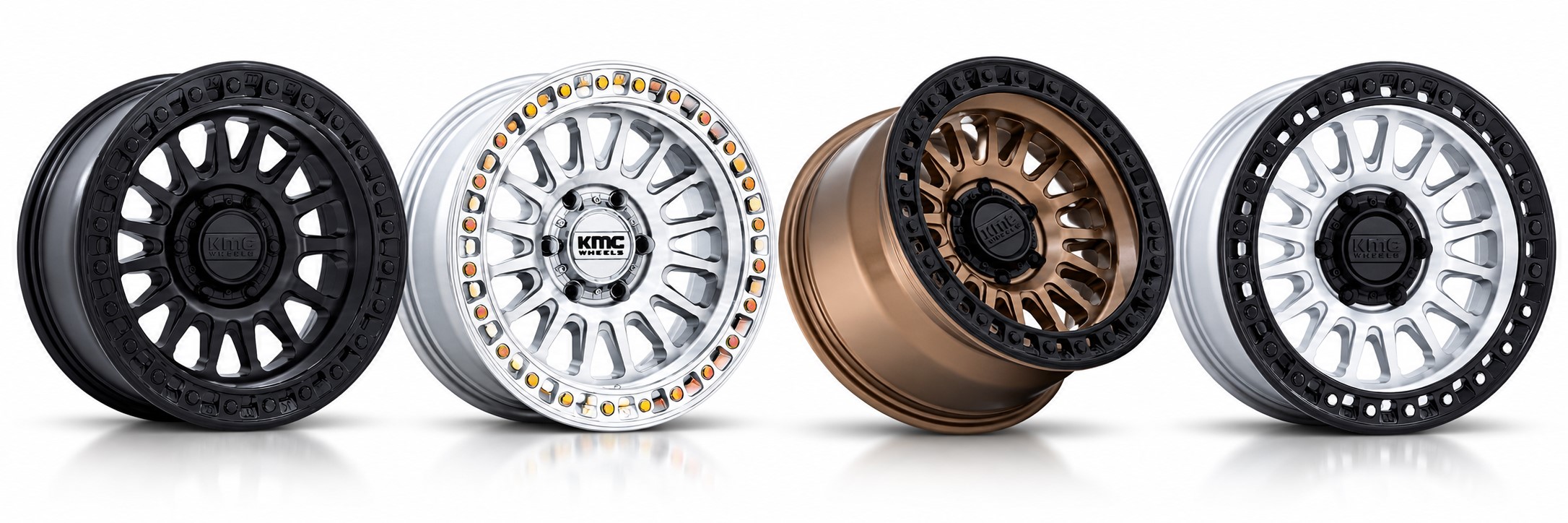
Brands such as KMC, Fuel Off-Road, Black Rhino, Method Race Wheels, Braid, and RRW offer different designs and product lines. Compare the specifications of the exact wheel model rather than judging performance by brand name or appearance alone.
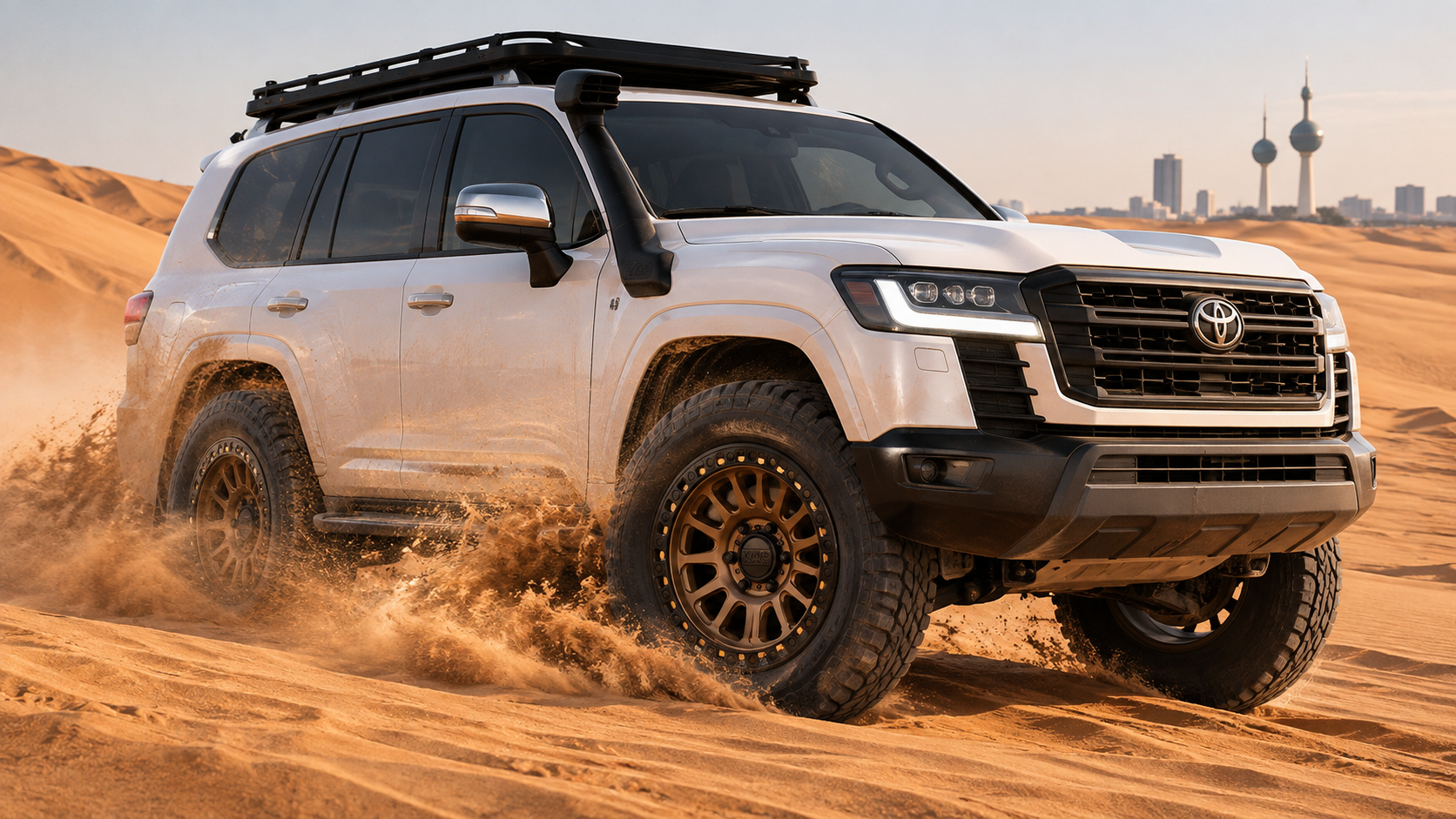
Choosing 6×139.7 Wheels for Kuwait’s Roads and Desert Driving
In Kuwait, many 4×4 owners use their vehicles for a combination of daily driving, highway travel, and desert adventures.
That makes wheel selection particularly important.
For desert use, consider a wheel and tire combination that offers:
- Suitable load capacity for the vehicle and its equipment
- Compatible tire width and sidewall height
- Verified clearance at the chosen suspension height
- Durable construction from a reputable manufacturer
- Correct fitment without unnecessary spacers or unsafe modifications
If you frequently drive on sand, remember that tire pressure and driving technique also influence performance. Never rely on wheel size alone to improve off-road capability.
Where to Find the Right 6×139.7 Wheels
The best wheel is not necessarily the widest, largest, or most aggressive-looking option. It is the one that matches your vehicle’s specifications and driving requirements.
At FormulaWheel, you can explore wheel options from established aftermarket brands for different 4×4 vehicles, pickups, and SUVs.
Before selecting a model, prepare your vehicle’s year, make, model, trim, current tire size, and any suspension modifications. This makes it easier to identify compatible wheel dimensions and avoid costly fitment mistakes.
For additional technical information, consult Tire Rack’s Upgrade Garage.
Frequently Asked Questions
Are 6×139.7 wheels the same as 6×5.5 wheels?
Yes. They describe the same six-lug bolt pattern. The 139.7 mm measurement is equivalent to 5.5 inches.
Do all Toyota Land Cruiser models use 6×139.7 wheels?
No. Bolt patterns and other wheel specifications can vary by generation, market, and model. Confirm your vehicle’s exact specifications before purchasing.
Can I install 6×139.7 wheels on a Nissan Patrol?
Only if your specific Patrol has a matching bolt pattern and the wheels also meet its offset, center bore, load rating, and clearance requirements.
Are 17-inch 6×139.7 wheels better for off-road driving?
They can be a practical choice because they may allow tires with taller sidewalls. However, brake clearance and the complete wheel-and-tire combination must be checked.
Can I use wheel spacers if my 6×139.7 wheels do not fit correctly?
Spacers are not a universal solution. They change wheel positioning and can affect clearance, fastener engagement, and loads on wheel components. A correctly specified wheel is generally preferable to using spacers to compensate for a poor fit.
Final Thoughts
6×139.7 wheels offer a wide range of aftermarket options for compatible 4×4 trucks and SUVs. Whether you are building a desert-ready setup or upgrading your daily-driven pickup, the right choice depends on more than the bolt pattern.
Check wheel diameter, width, offset, center bore, load rating, and brake clearance before buying. With the correct specifications, you can choose a wheel setup that combines appearance, durability, and reliable fitment for Kuwait’s roads and off-road conditions.