
The Chevy Silverado has been a staple of the full-size truck market for decades, built to handle towing, job-site duty, and long highway hauls without complaint. Yet even a proven workhorse like this can be transformed with the right wheel upgrade. Choosing the Best Wheels for Chevy Silverado ownership is not simply about looks; it directly affects ride quality, handling, and how confidently the truck carries a load or tows a trailer.
Owners who invest in the Best Wheels for Chevy Silverado builds usually want a balance between everyday practicality and a bolder stance. Whether the truck is used for towing, off-road trips, or daily driving, the right set of wheels can change its entire character.
The demand for the Best Wheels for Chevy Silverado trucks has grown steadily as aftermarket wheel technology continues to improve. Modern rims are engineered to be lighter, stronger, and more resistant to potholes, curb strikes, and rough terrain. These improvements help Silverado owners get better ride comfort, sharper handling, and a more aggressive look.
Another reason enthusiasts search for the Best Wheels for Chevy Silverado setups is customization. Factory wheels are built for mass-production efficiency, while aftermarket options let drivers choose unique finishes, wider stances, and stronger construction. This kind of personalization helps a Silverado stand out whether it’s parked at the job site or cruising the highway.
However, selecting the Best Wheels for Chevy Silverado trucks requires understanding a few technical basics first. Bolt pattern, offset, diameter, width, and load rating all affect performance and compatibility. When these elements are matched correctly with the truck’s suspension and tire setup, the result is a Silverado that looks better and drives better than stock.
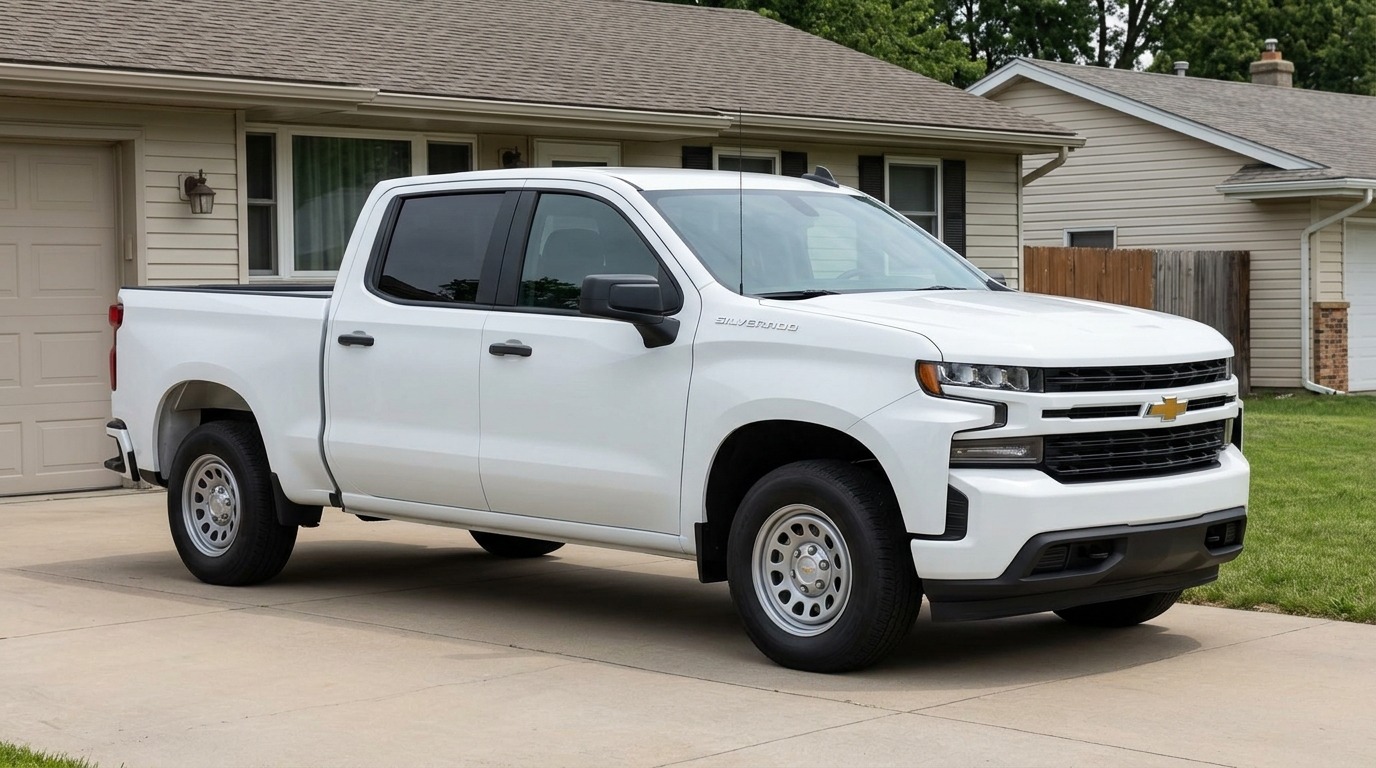
Chevy Silverado Wheel Basics: Bolt Pattern, Offset and Fitment
Getting fitment right is the first step toward the Best Wheels for Chevy Silverado trucks, since the wrong spec simply won’t bolt on safely.
- Bolt pattern: every Silverado 1500 from 1999 to the current T1 platform uses a 6×139.7mm (6×5.5″) bolt pattern, one of the most common patterns in the truck world. Heavy-duty 2500HD and 3500HD models switch to an 8-lug, 8×165.1mm pattern instead, so 1500 wheels won’t fit on an HD truck, and vice versa.
- Hub bore: typically 78.1mm on 1500 models; aftermarket wheels with a larger bore usually need hub-centric rings to avoid vibration at highway speed.
- Factory offset range: generally runs from around -44mm to +35mm depending on generation and trim, with most 1500 trucks sitting closer to +24mm to +31mm from the factory.
- Aggressive stance builds: many aftermarket setups aimed at the Best Wheels for Chevy Silverado off-road category use offsets ranging from about -12mm to +20mm, which push the wheel outward for a wider look while still avoiding rubbing on the upper control arms.
- Factory wheel diameter: ranges from 17 to 24 inches depending on trim and generation, giving Silverado owners a wide starting point before even considering aftermarket options.
Since the Silverado 1500 shares its 6×139.7mm bolt pattern with the GMC Sierra 1500, Ram 1500, Toyota Tundra, and Nissan Titan, wheel availability across brands and styles is unusually strong compared with trucks that use a less common pattern.
Best Off-Road Wheels for Chevy Silverado
For Silverado owners who actually leave the pavement, the wheel-and-tire combination matters more than the finish. A few patterns show up consistently among serious builds:
- 17- to 18-inch wheels with taller-sidewall tires remain a strong choice for genuine off-road use, since the extra sidewall height absorbs impacts and protects the rim on rough trails.
- A stock Silverado can typically fit around 285/75R18 or 295/70R18 tires without major modification, while stepping up to a 33-inch tire usually just needs a leveling kit, and a true 35-inch tire generally requires around a 4-inch lift.
- Heavy-duty cast aluminum or steel wheels are a common part of the Best Wheels for Chevy Silverado off-road lineup, since they’re load-rated for full-size trucks and hold up well to trail damage and daily abuse.
- Bold, deep-lipped designs with offsets around -12mm to +12mm give lifted trucks a wider stance without sacrificing structural strength or fender clearance.
Best Street Wheels for Chevy Silverado
For Silverado owners focused on daily driving, towing, or a cleaner street look, priorities shift toward comfort, quietness, and a tucked-in fitment:
- 20-inch wheels are among the most popular all-around sizes for Best Wheels for Chevy Silverado street builds, offering a balance of style and ride comfort for mixed daily and highway use.
- 22-inch wheels deliver a bolder, more modern look but come with a lower-profile tire that transmits more road imperfections into the cabin, so they suit owners who prioritize looks in their search for the Best Wheels for Chevy Silverado street setup.
- Staying within the factory offset range (roughly +18mm to +31mm) keeps the wheel tucked in for a clean, OEM-plus appearance without rubbing.
- Lighter cast or flow-formed wheels can slightly improve ride quality and fuel economy compared with heavier factory steel wheels, since they reduce unsprung weight.
Off-Road vs Street Wheels: Quick Comparison

How to Choose the Right Wheels for Your Silverado
- Confirm your bolt pattern and trim first. 1500 trucks use 6×139.7mm, while 2500HD and 3500HD models use an 8-lug 8×165.1mm pattern, so always verify before ordering.
- Match offset to your goal. Sticking closer to factory offset (around +24mm to +31mm) keeps things safe and predictable; going lower toward -12mm adds stance but increases scrub radius and bearing wear over time.
- Size the tire to your suspension. A stock Silverado can handle up to about a 33-inch tire with just a leveling kit; anything closer to 35 inches typically requires a 4-inch lift to avoid rubbing.
- Check load rating, especially if you tow. Any wheel added to the Best Wheels for Chevy Silverado shortlist should be rated to handle the truck’s payload and towing capacity, not just its curb weight.
- Use hub-centric rings if needed. If an aftermarket wheel’s center bore is larger than the factory 78.1mm, rings help keep the wheel centered on the hub and reduce vibration.
Frequently Asked Questions
What bolt pattern does the Chevy Silverado use? Every Silverado 1500 from 1999 onward uses a 6×139.7mm (6×5.5″) bolt pattern. Heavy-duty 2500HD and 3500HD models use a different 8×165.1mm, 8-lug pattern instead.
What is the best wheel size for a Chevy Silverado? For off-road use, 17- to 18-inch wheels are usually preferred for the taller, more impact-absorbing tire sidewall. For street use, 20-inch wheels are the most popular all-around choice, while 22-inch wheels are more style-oriented.
Can a stock Silverado fit 35-inch tires? Not without changes. A stock Silverado generally clears around a 33-inch tire with just a leveling kit, but a true 35-inch tire typically requires roughly a 4-inch lift plus wheels with an appropriate offset.
What offset is best for a Chevy Silverado? Factory offset generally runs from about -44mm to +35mm depending on generation, with most 1500 trucks sitting near +24mm to +31mm. Aftermarket builds chasing a wider stance often run closer to -12mm to +20mm instead.
Are aftermarket wheels safe for towing with a Silverado? Yes, as long as the wheel’s load rating meets or exceeds the truck’s payload and towing requirements. This is one of the most important checks when shortlisting the Best Wheels for Chevy Silverado towing setups.
Final Thoughts
Upgrading your wheels is one of the most noticeable changes you can make to a Chevy Silverado. The right setup can improve ride quality, sharpen handling, and give the truck a completely different presence on the road or trail.
Drivers who take the time to research the Best Wheels for Chevy Silverado trucks usually find that getting the bolt pattern, offset, and size right matters just as much as the finish they choose. Whether the goal is a capable off-road build or a cleaner street look, dialing in the fitment first is what makes the final setup both safe and good-looking.
If you’re planning a wheel upgrade, confirming your exact trim, bolt pattern, and offset with a fitment specialist is the best first step before you buy.