
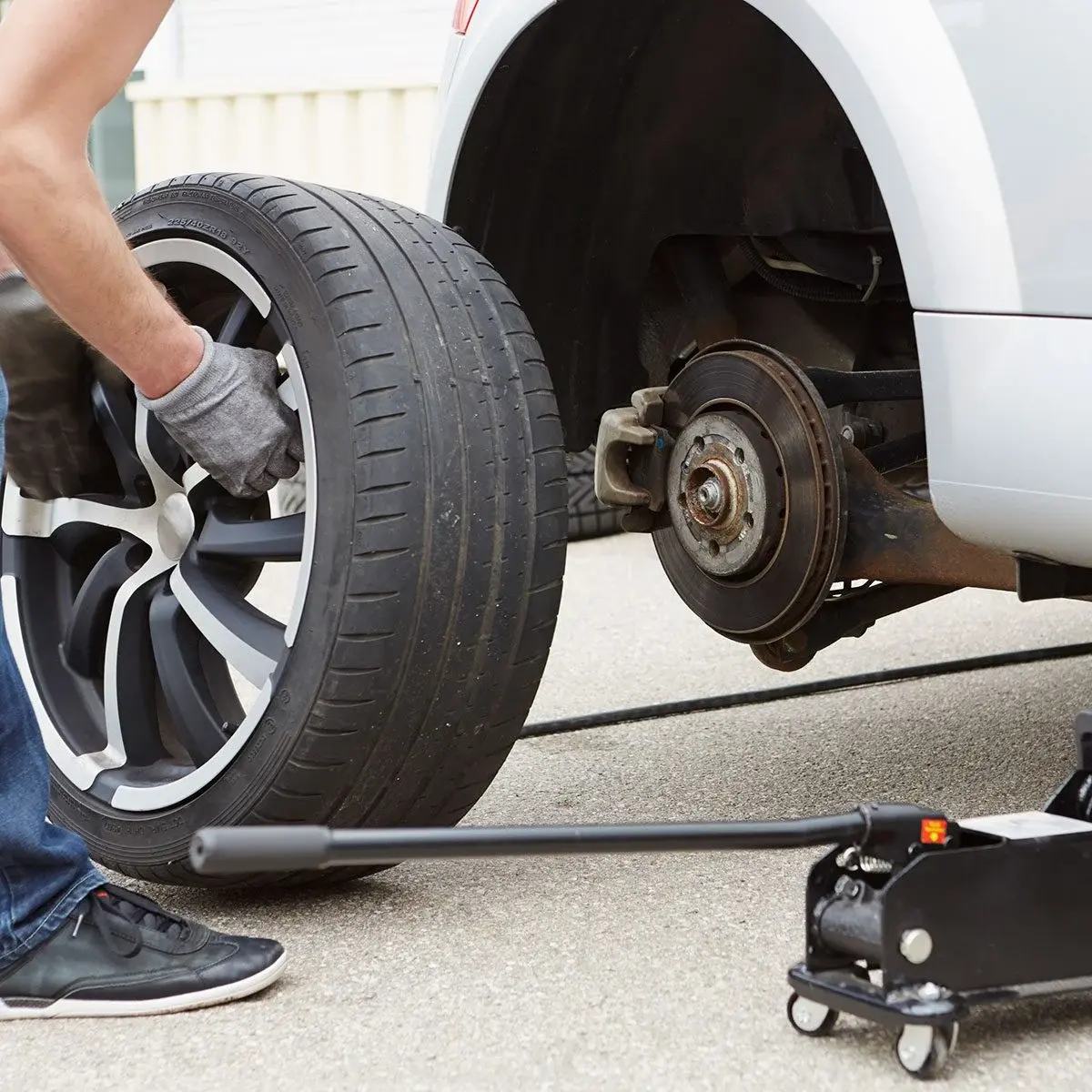
As temperatures begin to rise, many drivers focus on air conditioning, engine cooling, or long summer tripsbut one of the most critical safety decisions is often overlooked: when to Change Tires. Changing your tires before summer is not a marketing slogan; it’s a practical, technical, and safety-driven necessity, especially in regions with extreme heat.
Summer heat dramatically affects tire performance, durability, braking distance, and even fuel efficiency. Tires that performed well during cooler months may become a serious liability once asphalt temperatures rise. In this comprehensive guide, we explain why you should change tires before summer, what happens if you don’t, and how the right tires protect both your vehicle and your life.
How Summer Heat Affects Tires
1. Rising Asphalt Temperatures = Rising Tire Stress
During summer, road surface temperatures can exceed 60°C (140°F) in many regions. This intense heat transfers directly into the tire compound, causing the rubber to soften excessively.
When tires overheat:
- Tread wear accelerates
- Rubber compounds lose structural stability
- The risk of blowouts increases
- Braking performance deteriorates
This is the primary reason manufacturers recommend that drivers Change Tires before the summer season beginsnot after problems appear.
2. Winter and All-Season Tires Struggle in Summer Heat
Many drivers mistakenly believe that all-season or winter tires can survive summer driving. While technically possible, it is neither safe nor economical.
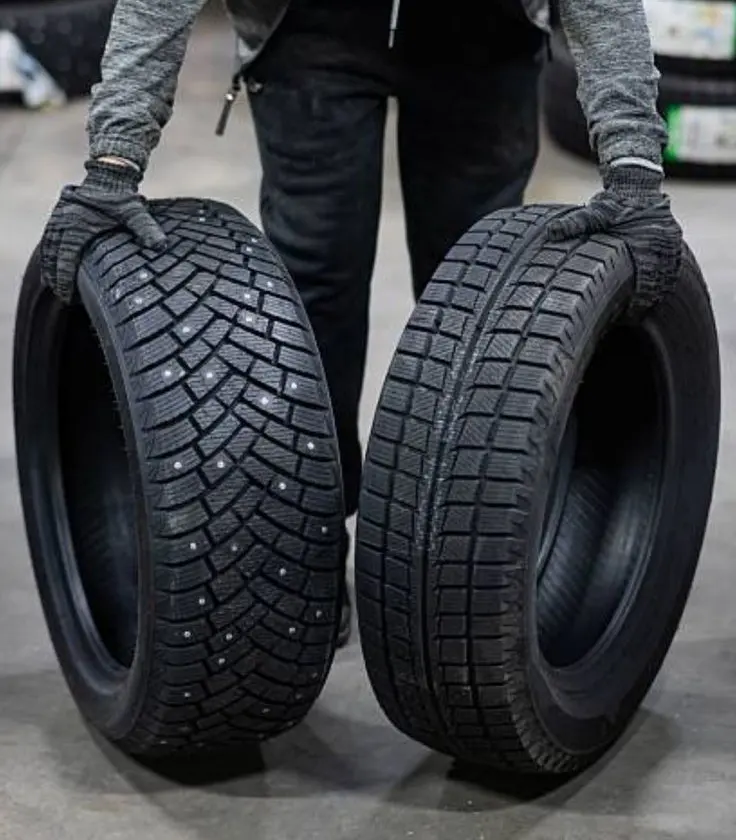
Winter tires are designed with soft rubber compounds to remain flexible in cold temperatures. In summer:
- They overheat quickly
- Tread blocks deform
- Handling becomes unstable
- Stopping distances increase
All-season tires perform slightly better but are still a compromise. For optimal performance and safety, changing to summer-rated tires before hot weather is essential.
Why You Should Change Tires Before Summer, Not During
1. Preventing Heat-Related Tire Failure
Tire blowouts are far more common in summer than in any other season. The combination of:
- High temperatures
- Underinflation
- High-speed driving
creates perfect conditions for catastrophic tire failure. Changing your tires early ensures the rubber compound, tread depth, and internal structure are prepared for heat exposure.
Waiting until summer begins is often too late damage may already be happening internally.
2. Improved Braking and Handling on Hot Roads
Summer tires are engineered to:
- Maintain rigidity in high temperatures
- Provide stronger road contact
- Offer shorter braking distances on dry asphalt
If you don’t Change Tires before summer, your car may feel less responsive during emergency maneuvers, lane changes, or sudden braking specially at highway speeds.
3. Better Fuel Efficiency in Summer Conditions
Heat increases rolling resistance, especially in tires not designed for warm climates. Summer tires rely on specially tuned tread patterns and rubber blends that:
- Reduce friction
- Improve fuel economy
- Maintain stable pressure levels
Over an entire summer season, fuel-efficient tires can noticeably reduce fuel consumptionespecially for daily commuters and long-distance drivers.
The Science Behind Summer Tire Compounds
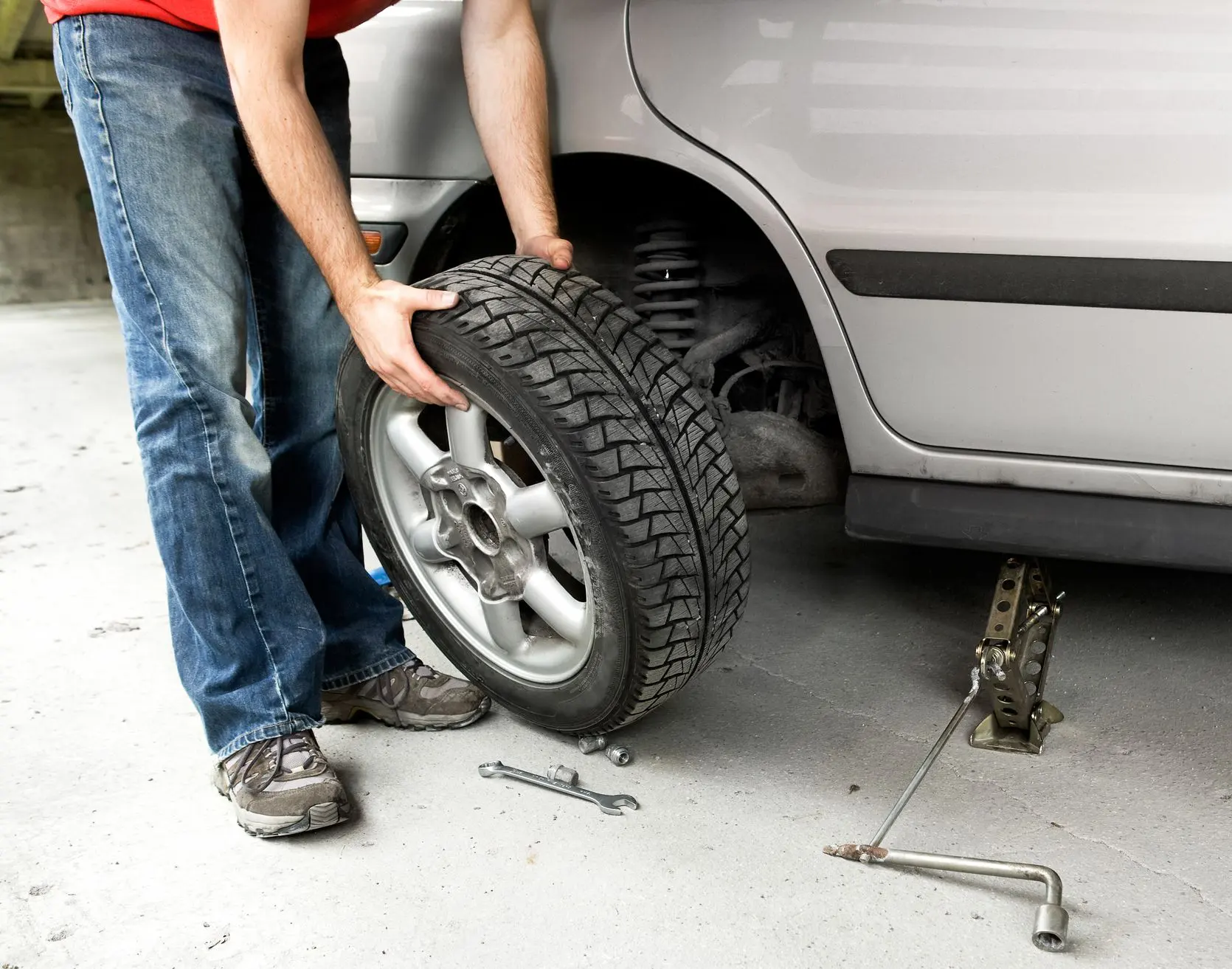
Summer tires employ heat-stable rubber polymers designed to stay resilient under elevated temperatures.
Unlike winter tires, they are designed to:
- Resist excessive flexing
- Maintain tread shape
- Disperse heat efficiently
This engineering directly translates to:
- Longer tire life
- Consistent grip
- Safer high-speed performance
Failing to Change Tires before summer means using rubber compounds outside their designed temperature range.
When Is the Right Time to Change Tires Before Summer?
The ideal time to change tires is before daily temperatures consistently exceed 20–25°C (68–77°F). Once temperatures remain high day and night, tire compounds begin reacting differently.
Waiting until peak summer heat increases:
- Installation demand
- Tire prices
- Workshop delays
Changing early gives you better selection, better pricing, and safer driving from day one of summer.
Signs You Must Change Tires Immediately
Even if summer hasn’t officially started, these signs mean you should Change Tires right away:
- Tread depth below safe limits
- Cracks or dryness on sidewalls
- Increased road noise
- Reduced steering precision
- Visible bulges or uneven wear
Ignoring these signs during rising temperatures dramatically increases the risk of failure.
Summer Driving = Higher Speeds, Higher Loads
Summer often means:
- Road trips
- Fully loaded vehicles
- Extended highway driving
- Continuous high speeds
Tires not designed for summer heat suffer structural fatigue under these conditions. Summer-rated tires feature:
- Stronger internal belts
- Higher speed ratings
- Better load-handling capacity
This is another critical reason to Change Tires before summer travel begins.
Tire Pressure and Summer Heat: A Dangerous Combination
Heat causes air to expand. As temperatures rise:
- Tire pressure increases
- Overinflation risk grows
- The contact patch becomes smaller
Summer tires are designed to handle pressure fluctuations better. Old or inappropriate tires may not tolerate this stress, leading to rapid wear or blowouts.
Changing tires before summer allows proper pressure calibration for hot conditions.
Unsure Which Tire is Right for Your Climate & Car?
Get free, personalized advice from FormulaWheel’s tire specialists to choose the safest and most efficient option for summer driving.
Get Your Free Tire Consultation
Cost vs. Safety: Is Changing Tires Worth It?
Some drivers delay changing tires to save money, but this often results in:
- Faster tire degradation
- Higher fuel costs
- Increased accident risk
- Premature replacement
In reality, changing tires before summer:
- Extends tire lifespan
- Improves efficiency
- Reduces emergency expenses
It’s a preventive investmentnot an unnecessary cost.
Professional Recommendation
If you live in or drive through hot climates, changing tires before summer is non-negotiable. Summer-rated or heat-resistant touring tires provide:
- Safer braking
- Better stability
- Lower operating costs
- Reduced risk of tire failure
Delaying this decision puts unnecessary stress on your vehicle and increases the risk for everyone on the road.
Don’t wait for the first heatwaveor a roadside emergency.
Change Tires before summer and drive with confidence, safety, and performance all season long.
Explore high-quality summer and heat-resistant tires designed for extreme conditions at FormulaWheel, and prepare your vehicle the right way before summer puts your tires to the test.
Frequently Asked Questions (FAQ) about Change Tires Before Summer
- Why is it important to change tires before summer?
Because high temperatures degrade rubber compounds, reduce grip, and increase blowout risk. Changing early ensures safety and performance.
- Can I use all-season tires in summer?
You can, but they are not ideal for extreme heat. Summer tires offer better braking, stability, and durability.
- How often should I change tires in the summer?
Seasonally, or whenever temperatures consistently rise above moderate levelsespecially if you’re using winter or worn tires.
- Does changing tires improve fuel efficiency?
Yes. Summer tires reduce rolling resistance and maintain stable pressure, improving fuel economy.
- Is it dangerous to delay changing tires?
Yes. Heat-related tire failure is one of the most common causes of summer highway accidents.