
Choosing the right wheels for your car is more than just a matter of aesthetics. In Kuwait, where urban roads, highways, and occasional desert tracks (الصحراء) expose vehicles to extreme conditions, selecting between alloy wheels and steel wheels can significantly affect performance, safety, comfort, and fuel efficiency. This guide will explain the differences, advantages, disadvantages, and best use cases for each type, helping you make an informed decision.

Understanding Alloy Wheels
Alloy wheels are generally crafted from aluminum or a mixture of aluminum and magnesium. They are recognized for their lightweight build, stylish appearance, and enhanced performance advantages.
Advantages of Alloy Wheels
- Reduced Weight and Improved Handling
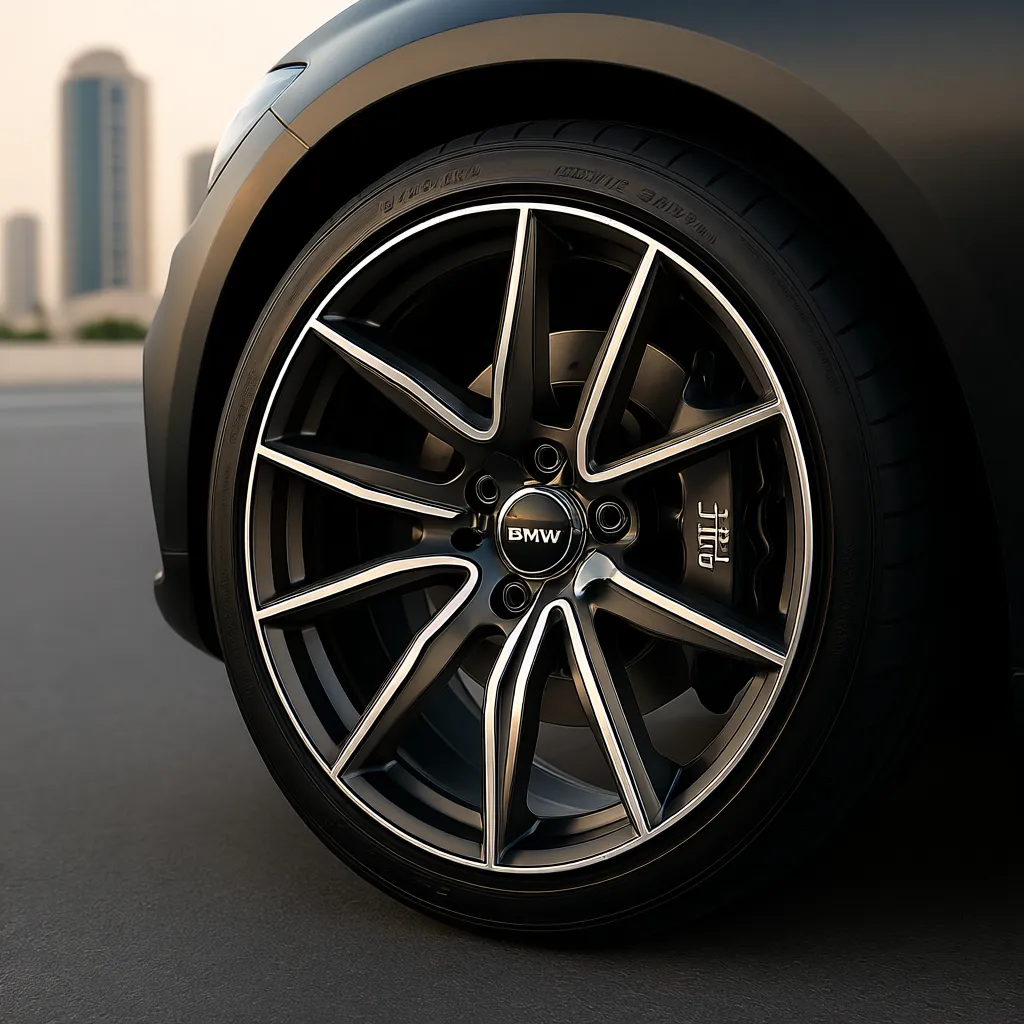
Lightweight alloy wheels decrease unsprung weight, improving acceleration, braking, and cornering accuracy. Sport sedans and luxury cars like Lexus, BMW, and Mercedes benefit from sharper steering and smoother rides.
- Better Heat Dissipation
Alloy wheels dissipate heat generated by brakes more efficiently, reducing brake wear and maintaining performance during high-speed driving or summer months in Kuwait.
- Aesthetics and Modern Designs
Available in countless designs, finishes, and colors, alloy wheels dramatically improve a car’s visual appeal, making them popular among luxury and performance vehicle owners.
- Fuel Efficiency
Reduced rotational mass slightly lowers energy consumption, improving fuel economy—especially important for daily city driving in Kuwait.
Disadvantages of Alloy Wheels
- COST: Alloy rims usually command higher prices than their steel counterparts.
- Durability: Although strong, alloys can crack or bend under severe impact, such as potholes or off-road obstacles.
- Repairing damaged alloy wheels can be more challenging and expensive than fixing steel wheels.
Understanding Steel Wheels
Steel wheels, constructed from pressed and welded steel, are recognized for their strength, long-lasting durability, and cost-effectiveness. They are commonly used on standard sedans, SUVs, and utility vehicles.
Advantages of Steel Wheels
- Durability and Strength
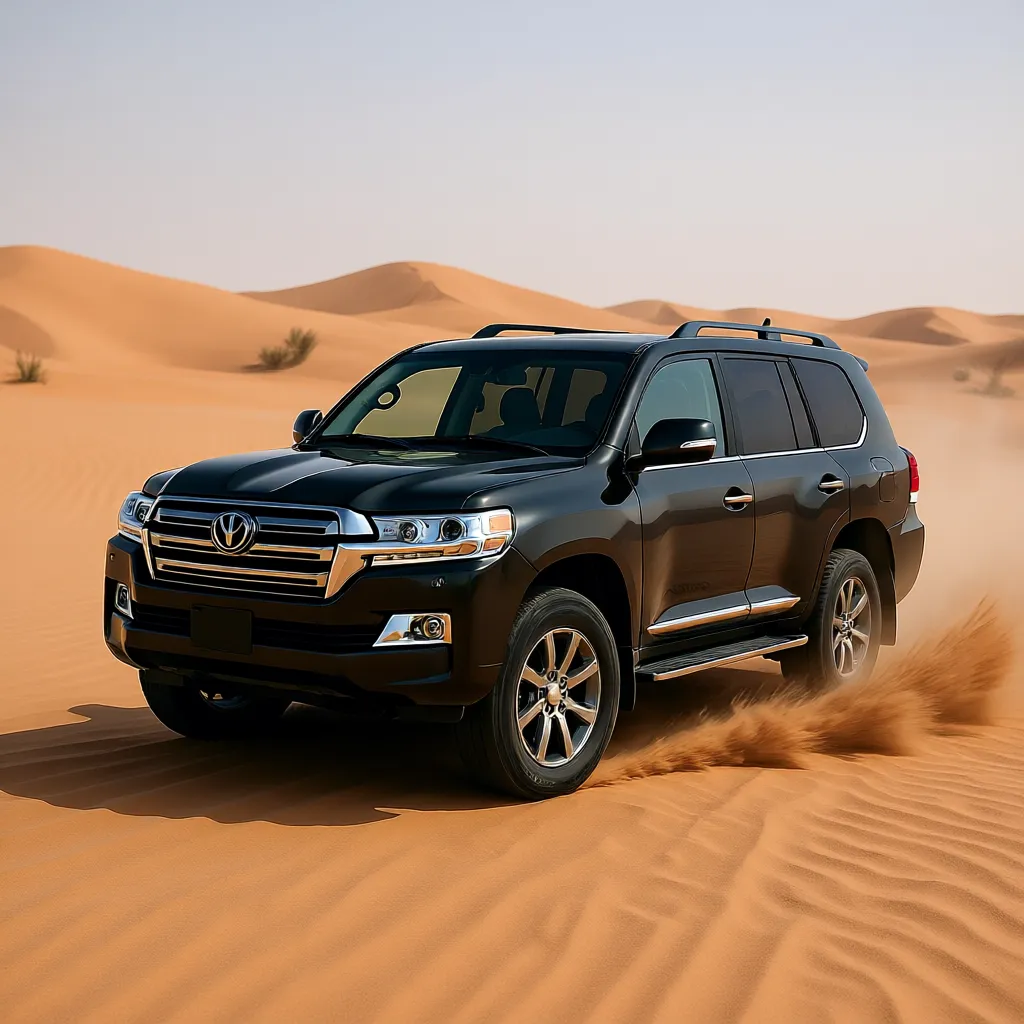
Steel wheels are more resistant to bending or cracking under heavy loads or rough driving conditions. This makes them ideal for desert driving or carrying heavy cargo.
- Cost-Effective
Steel wheels are more affordable to buy and replace, making them an ideal choice for drivers on a budget.
- Easy to Repair
Minor dents can often be hammered back into shape, making maintenance simpler and more affordable.
Disadvantages of Steel Wheels
- Heavier Weight
Steel wheels contribute to higher unsprung weight, potentially dulling acceleration, braking response, and dynamic handling. - Limited Designs
Typically come in basic black or silver finishes; aesthetic appeal is limited compared to alloys. - Heat Management
Steel wheels do not dissipate brake heat as efficiently as alloy wheels, which can affect brake performance in high-temperature conditions.
Alloy vs Steel Wheels: Key Differences
- Weight and Performance
Alloy: Lightweight → better handling, acceleration, and braking.
Steel: Heavy → more durable but slightly less responsive.
- Design and Aesthetics
Alloy: Wide variety of styles, colors, and finishes.
Steel: Limited styles; functional rather than stylish.
- Durability
Alloy: Strong but can crack or bend under impact.
Steel: Extremely durable; ideal for rough or heavy-duty driving.
- Cost and Maintenance
Alloy: More expensive; repairs are costly.
Steel: Affordable; easy to repair.
- Heat Resistance
Alloy: Excellent for heat dissipation; suitable for summer driving and high-speed conditions.
Steel: Less efficient; may affect braking under extreme heat.

Which One Is Right for You in Kuwait?
Choose Alloy Wheels If:
- You own a sport sedan, luxury car, or crossover.
- You want enhanced handling, braking, and fuel efficiency.
- Appearance and modern design are important to you.
- You mostly drive on smooth city streets or highways.
Choose Steel Wheels If:
- You drive an SUV or utility vehicle frequently on rough roads or desert tracks (الصحراء).
- You want durable, low-cost wheels that are easy to repair.
- Aesthetics are less important than functionality.
- You often carry heavy loads or tow trailers.
Tip: Some drivers use steel wheels in winter or off-road conditions and alloy wheels for daily city driving, combining the best of both worlds.
Seasonal Maintenance Tips
- Summer in Kuwait
- Regularly check tire pressure (مقاسات الكفرات) as heat increases internal pressure.
- Check both alloy and steel wheels for any signs of cracks, bends, or corrosion.
- Avoid parking under direct sunlight for prolonged periods to reduce heat stress.
- Winter / Mild Seasons
- Check wheel balancing and alignment after rough terrain driving.
- Regularly rotating your tires helps distribute wear evenly and can extend their lifespan.
- All-Year Essentials
- Clean wheels regularly to remove sand, dust, and salt.
- Check for signs of wear and tear, including cracks, bulges, or unusual vibrations.
Common Mistakes to Avoid
- Choosing oversized alloy rims without adjusting tires → reduces ride comfort.
- Ignoring steel wheel corrosion → leads to long-term damage.
- Mixing tire types between front and rear wheels → affects handling and stability.
- Skipping seasonal inspections → shortens wheel and tire lifespan.
Conclusion
The choice between alloy and steel wheels is shaped by driving patterns, vehicle type, financial plan, and personal aesthetic.
Alloy wheels: Ideal for performance, luxury, and modern design; best for city and highway driving.
Steel wheels: Best for durability, rough roads, and heavy-duty use; affordable and repair-friendly.
In Kuwait’s urban, highway, and desert conditions, understanding the strengths and weaknesses of each type ensures you maximize safety, performance, and longevity.
At FormulaWheel, we provide high-quality alloy and steel wheels, along with expert advice to help you choose the perfect fit for your vehicle, whether you drive a sports sedan, luxury car, SUV, or off-road vehicle. Upgrade your car’s wheels today with FormulaWheel.
FAQ – Alloy vs Steel Wheels
- Do alloy wheels really improve fuel efficiency?
Yes, lighter alloys reduce rotational mass, slightly improving fuel consumption, especially in stop-and-go city traffic. - Are steel wheels safer for desert driving?
Yes, their durability makes them ideal for rough terrains and heavy loads. - Can I mix alloy and steel wheels on the same car?
Not recommended; inconsistent wheel types can affect handling and stability. - How often ought I to inspect my wheels to cope with Kuwait’s climate?
Monthly, or after long trips or off-road excursions. - Where can I find premium alloy and steel wheels in Kuwait?
FormulaWheel offers a wide selection with expert guidance for all types of vehicles.
Drive safer, smoother, and more stylish with FormulaWheel in Kuwait.